Guides
RTP and Volatility: The Two Numbers Every Slot Player Should Check First
Posted on:
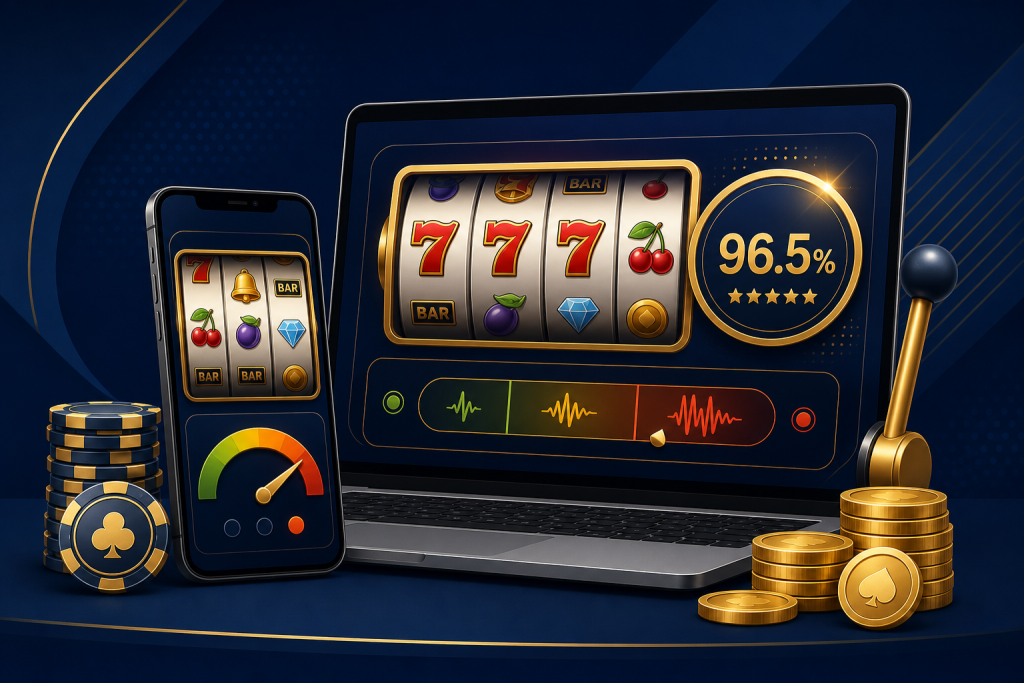
Walk into any online slot lobby and you will see hundreds of thumbnails competing for your click. Marketing pushes themes, jackpots, and celebrity tie-ins. The numbers that actually shape your session — Return to Player (RTP) and volatility — hide inside an info panel most players skip.
That is a costly habit. RTP tells you the long-run payback percentage baked into the maths model. Volatility describes how wildly results swing in the short term. Together they predict whether a game suits a £20 casual evening or a high-variance hunt for a single massive feature.
What RTP really measures
RTP is expressed as a percentage, commonly between 94% and 97% for mainstream video slots. A 96.5% RTP game returns $96.50 per $100 wagered across millions of spins — not per player, not per hour.
Regulators and test labs certify the RNG build tied to that RTP. Licensed casinos must host the approved version. Some providers ship multiple RTP configurations (96%, 94%, 92%). Casinos choose which to deploy. Always open the in-game help file and note the number shown for your session.
High RTP is desirable but not sufficient. A 97% slot with extreme volatility can still drain a modest bankroll before you trigger a bonus. Think of RTP as the slope of a long hill; volatility is how bumpy the road feels on the way up.
Volatility in plain language
Game studios label volatility low, medium, or high. Low-volatility slots deliver frequent small wins — balances decay slowly, features arrive often, entertainment per pound is steady. High-volatility slots withhold wins for long stretches, then pay in bursts through free spins or multipliers.
Hit frequency is related but distinct. A 28% hit rate means roughly one in four spins returns something, yet many hits pay less than your stake. You can “win” often while still losing ground.
Volatility only works if your bankroll survives the dry spells. Divide your session budget by your stake per spin: £40 at £0.20 buys 200 rounds — workable for medium-variance games like Aztec Gems, but tight for high-variance titles such as Starlight Princess or Big Bass Bonanza Megaways, where free-spin features in demo often need 150–250 spins to appear. If your cap works out below 150 spins, lower the bet or switch to a calmer game before you deposit.
How to check both in under a minute
- Launch the game in free demo mode on onlineslot.cc.
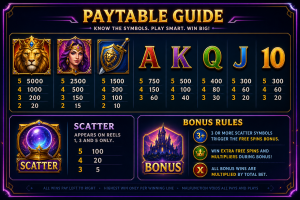
- Open the paytable or help screen from the menu icon.
- Note RTP, volatility label (if listed), and max win cap.
- Spin 50 demo rounds — track how often bonuses appear and how balance moves.
Demo data is anecdotal but useful. If a bonus appears once in 50 spins at demo stakes, expect similar rhythm in real play.
Common myths to ignore
Myth: A slot is “due” after a losing streak. Fact: Each spin is independent. Myth: Night sessions pay worse. Fact: RNG does not clock-watch. Myth: Max betting improves RTP. Fact: RTP is fixed; bet size only changes loss speed.
Putting it together before real money
Choose licensed operators listed in our casino reviews. Set a session budget unrelated to rent or bills. Pick RTP you are comfortable with and volatility that matches your patience.
RTP and volatility will not guarantee profit — house edge remains. They do guarantee you chose the ride intentionally instead of accidentally.