
Financial
SEC Weighs Overhaul of ETF Rules as Prediction Market Funds Loom
Posted on:
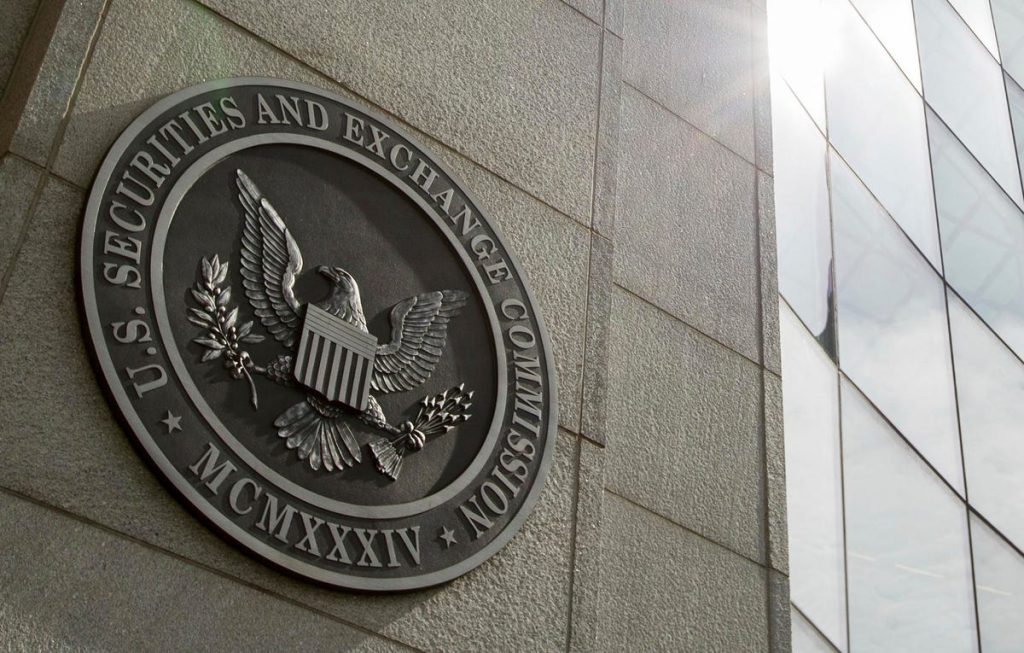
The Securities and Exchange Commission (SEC) is seeking public feedback on “novel” exchange-traded funds (ETFs), a regulatory move triggered by a recent surge in filings for ETFs tied to political prediction markets.
In May the commission halted the approval process for more than two dozen such ETFs from three issuers, indicating it needs more time to examine the plumbing of these proposed funds, which would be first-of-their-kind products. Now, the regulator is giving market participants of all stripes 60 days to comment on unique ETF structures.
The request focuses on ways to facilitate innovation in the ETF space while protecting investors, maintaining fair, orderly, and efficient markets, and facilitating capital formation,” according to a statement issued by the commission.
Bitwise Investments, GraniteShares and Roundhill Investments are the sponsors attempting to electoral event contract ETFs to market.
Brief History of Political Event Contract ETFs
In February, Roundhill got the ball rolling with filings for six political event contract ETFs with Bitwise and GraniteShares following soon thereafter.
Utilizing distinct branding and names, all of the proposed funds would allow market participants to invest in baskets of derivatives tied to which of the two major U.S. political parties will control the House and Senate after the November midterms, as well as which party will win the presidency in the 2028 election.
The premise behind the pitched ETFs is straightforward. For example, if the Roundhill Democratic Senate ETF (BLUS) comes to market and the Democrats gain control of the upper chamber later this year, investors holding that fund will profit, while those holding the companion Roundhill Republican Senate ETF (REDS) will see their investment lose substantially all of its value.
The Roundhill and GraniteShares offerings were scheduled to come to market in early May prior to the SEC stepping in. Now, the regulator is seeking input on how ETFs such as these can fit within established regulatory protocols, some of which have governed the ETF industry for more than three decades.
“The Commission’s request for comment seeks input from the public on how the U.S. ETF market can continue to grow and innovate while serving investors effectively, and I look forward to reviewing feedback from market participants as we evaluate how to best respond to recent market changes,” said SEC Chairman Paul Atkins in the statement.
Prediction Market ETFs Already Have Critics
The idea of prediction market ETFs hasn’t been heavily opposed, but some experts worry it’s too much of a good thing, adding that in today’s 24/7 news cycle and hyper-partisan environment, unwitting market participants might trade these ETFs (if approved) too frequently.
However, more traditional approaches at the intersection of ETFs and prediction markets are on the horizon. In May, Tema ETFs filed plans for the Tema Trading & Prediction Markets ETF, which would hold shares of publicly listed companies that provide the infrastructure for the yes/no exchange ecosystem, rather than the event contracts themselves.
That fund is currently working its way through the standard SEC registration process and is not considered a “novel” asset class by the commission.


Most Read


Another Shooting Near Las Vegas Strip Casino Injures Man

964,375 views

Vintners Oppose Napa Valley Casino
552,688 views






Conversation (0)
+ Add a comment
Be the first to comment on this article.